
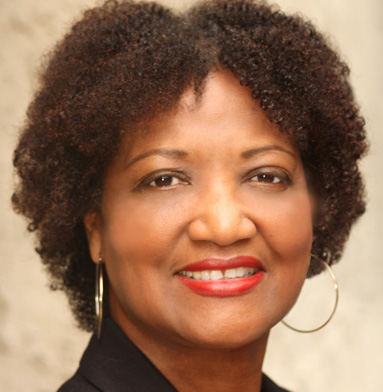
Angel Lord, Founder, VTAG
THE BIRTH OF VTAG
I was invited to visit Africa in August 2015 and was excited at the prospect of going to Zambia, Kenya, Tanzania and maybe Congo and South Africa. We left on August 11 and arrived the next day after a 21hour flight. As with many people from the North, my experience with Africa encompassed pretty much the people I knew in Canada and what I saw on television. I was unprepared for what I saw and experienced, the people in Lusaka, capital of Zambia were very nice and polite. The children curtseyed when greeting us, even 4 year olds and the elderly. Their humble life style with the simplest form of living conditions made me believe that my visit to Africa had a greater purpose.
Two days later we left Lusaka by car for a 12 hour drive to Kasama, a town in the North near the border of Tanzania. It was a long drive on dirt road with heavy traffic from Tanzania. Kasama is a small town with only red clay roads, mud huts with thatched roofs and some brick houses behind gates. Poverty is extremely evident everywhere, including the surrounding towns. Youth between ages 15-18 drank moonshine early in the morning, while young girls aged 13 upwards carried babies on their backs. Prostitution is the main occupation for many who try and care for the children. Lack of resources and finances to further their education stand as major hindrances to the youth, with regard to identifying or even pursuing a purpose in life.
The new President elect inherited a rapid decline of the local currency from the previous government, huge debt and a bankrupt economy. At the time of my visit, 9 Kwacha (local currency) equaled $1 Canadian and $13 USD. Life-threatening poverty truly hit me hard and the plight of these people touched my heart. The water supply throughout shut off at 6 am until midnight and electricity from 8 am until 10 pm. That meant no milk for the babies or groceries in the fridge at many of the homes we visited. Bathing and daily hygiene was limited to a jug of water per day, a bath tub full if we were lucky to fill the tub when the water came late at night. Toilet paper was as precious as gold — sheets sold 1k at public washrooms that usually consisted of a hole in the ground. I bought a small can of tonic water for 4 kwacha; two days later the same can was 7 kwacha because their money had dropped in value — same for transportation. Prices changed according to their economy.
I made friends with a few women who were using their own meagre resources to help those who are blind, lame and unable to walk, the sick, those with autism and various other illnesses. They had limited resources, yet used whatever they had to support the less fortunate. Their heart’s desire is to open an orphanage but they do not have the funds for the project.
We ended up staying in Zambia until September and did not travel to the other countries. We were told by the locals that the needs in Malawi and Tanzania were worse than Zambia. Communicating with family in Toronto was next to impossible because of the electricity problem. There were very few internet cafes and when we found one in a town, it was very expensive as they used generators. Whenever we visited a home we were treated like royalty; they gave what they had to ensure we were fed. It took about a week before we realized that they were allowing us to eat first, along with the elders, then the family would eat whatever we left. We then began to limit our portion to ensure that everyone ate; however, they were offended if and when we refused to eat.
Families shared a small mud hut or house, sometimes as many as 10 to 15 in a house to help support each other. The people are not lazy. During the 6 weeks I spent in Zambia, I saw only 4 beggars on the streets of Lusaka asking for money and they were all blind. Instead people tried selling trinkets, fruits, fish, vegetables, water, anything they could find to make money. Roadsides businesses was a major opportunity for many to make ends meet.
The issues of greatest concern to me was the second hand clothing situation. I discovered that donations collected through charitable agencies in North America are sold to local merchants who then sell them to the poor. I was appalled at the mountains of very old clothes being sold in stalls alongside dirt roads in towns and cities throughout Africa. Many people are too poor to buy the clothing, shoes, lingerie, etc., and walk barefoot, especially in rural towns and villages. Some travel to South Africa to buy merchandise to sell in their homes or makeshift shops in the markets. I observed this in every town I went. It was horrifying to see kids and adults alike walk with no shoes on the red clay dirt roads. Babies wearing winter hats and clothes in 32º Celsius weather. I met an old lady at a house I visited proudly wearing an old fur coat. She was hot, but too happy with her find to remove it — someone had given it to her as a gift. A few young girls wore winter boots, lined with fur and all, happy to have shoes. There were some with decent jobs, in government offices or working for the Chinese and Indian merchants, who could afford decent shoes and clothing. However, it broke my heart to see the plight of the majority of the people living in extreme poverty, with water and sewage problems etc. YET, they were extremely polite and joyful people.
I am determined to help the people of Africa and see an end to the selling of charitable donated items that were given in good faith to be distributed to the poor and needy. My intent is to start with Zambia and branch out to the other countries as I meet trusted local people with a heart for giving freely as they receive. Our task is, and will be, challenging but not impossible. We do not need only items of clothing, household, toiletries, personal hygiene, etc., but also monetary donations for meeting the expenses packaging, shipping and handling. I will personally ensure that the poor gets the clothing and all donations will be distributed appropriately. I assure everyone that nothing donated to VTAG will be sold to the people in Africa or anywhere but given freely as received freely.
All donations given to benefit another life and to give hope to those in need would be greatly appreciated. EVERY LITTLE BIT COUNTS when you don’t have.
Thank you for caring.
Angel Lord, Founder/President, VTAG